Root Canal Retreatment

Endodontic Treatment

Root Canal Retreatment

About This Treatment

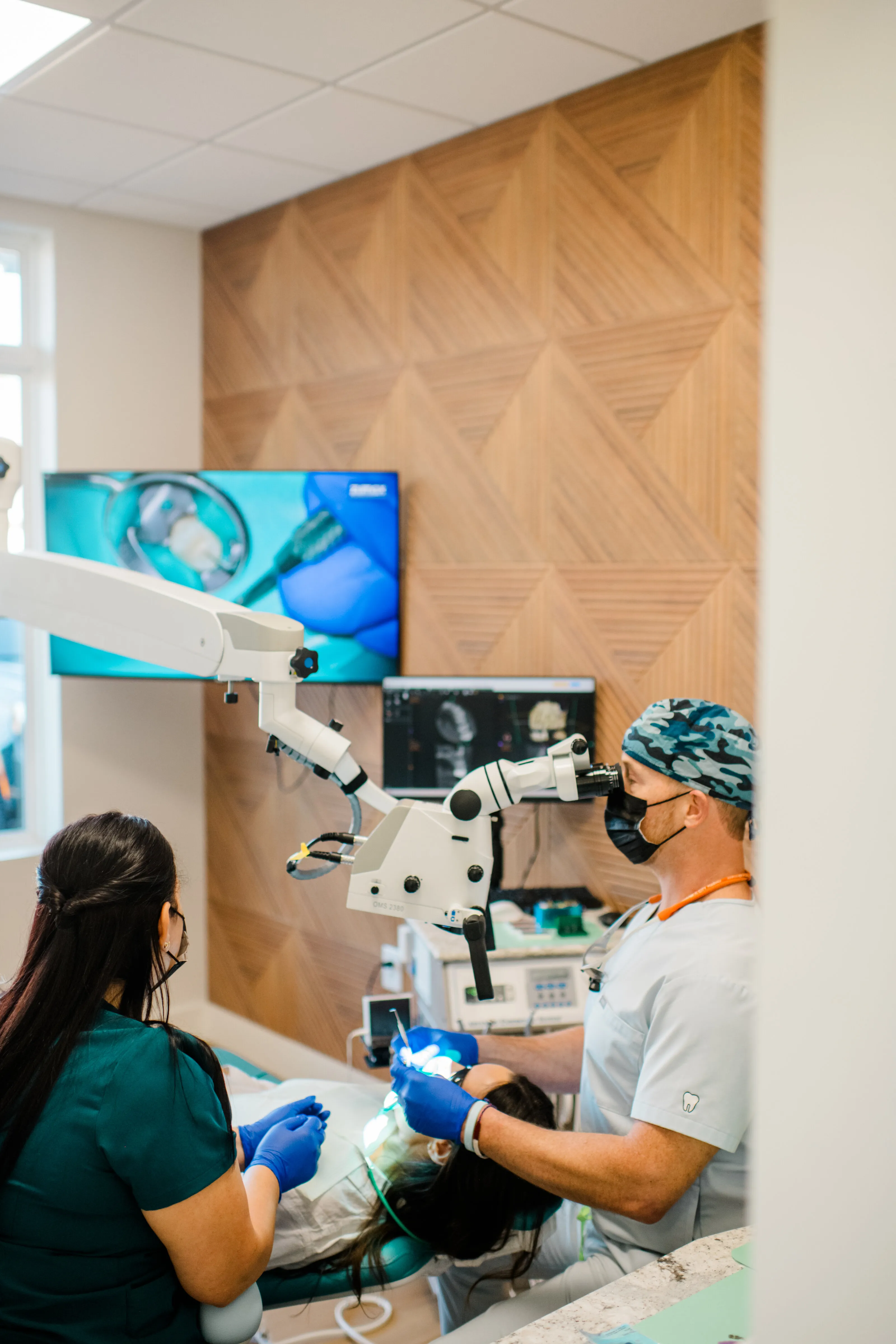
Retreatment is the process of removing old root canal material from inside the tooth, thoroughly disinfecting the canals, and re-sealing the roots for long-term protection. Since root canals can occasionally fail or become re-infected over time, this procedure removes the source of infection and helps maintain the health and function of the tooth.

Signs You May Need Root Canal Retreatment

Most root canals last a lifetime, but occasionally a previously treated tooth can become reinfected or fail to heal as expected. If a tooth that’s already had a root canal starts causing problems again, an evaluation can help determine whether retreatment is the best way to save it.

Schedule an Evaluation

Potential Symptoms

  • Pain in a tooth that’s had a root canal
  • Tenderness when biting or chewing
  • Swelling or tenderness in the nearby gums
  • A pimple-like bump on the gum near the tooth
  • A cracked, loose, or leaking crown or filling
  • New decay on a previously treated tooth

Not Sure What To Expect?

Learn more about your first appointment, imaging, treatment, payment options, and aftercare.

What to Expect at Your Appointment

Frequently Asked Questions

Answers to the questions we hear most from patients.

Most root canals heal well and last for many years. Occasionally, though, a treated tooth can become reinfected. This can happen if a canal was very narrow or curved, if new decay develops, or if a crown or filling cracks or leaks and lets bacteria back inside the tooth. Retreatment cleans out the tooth again so it has another chance to heal.

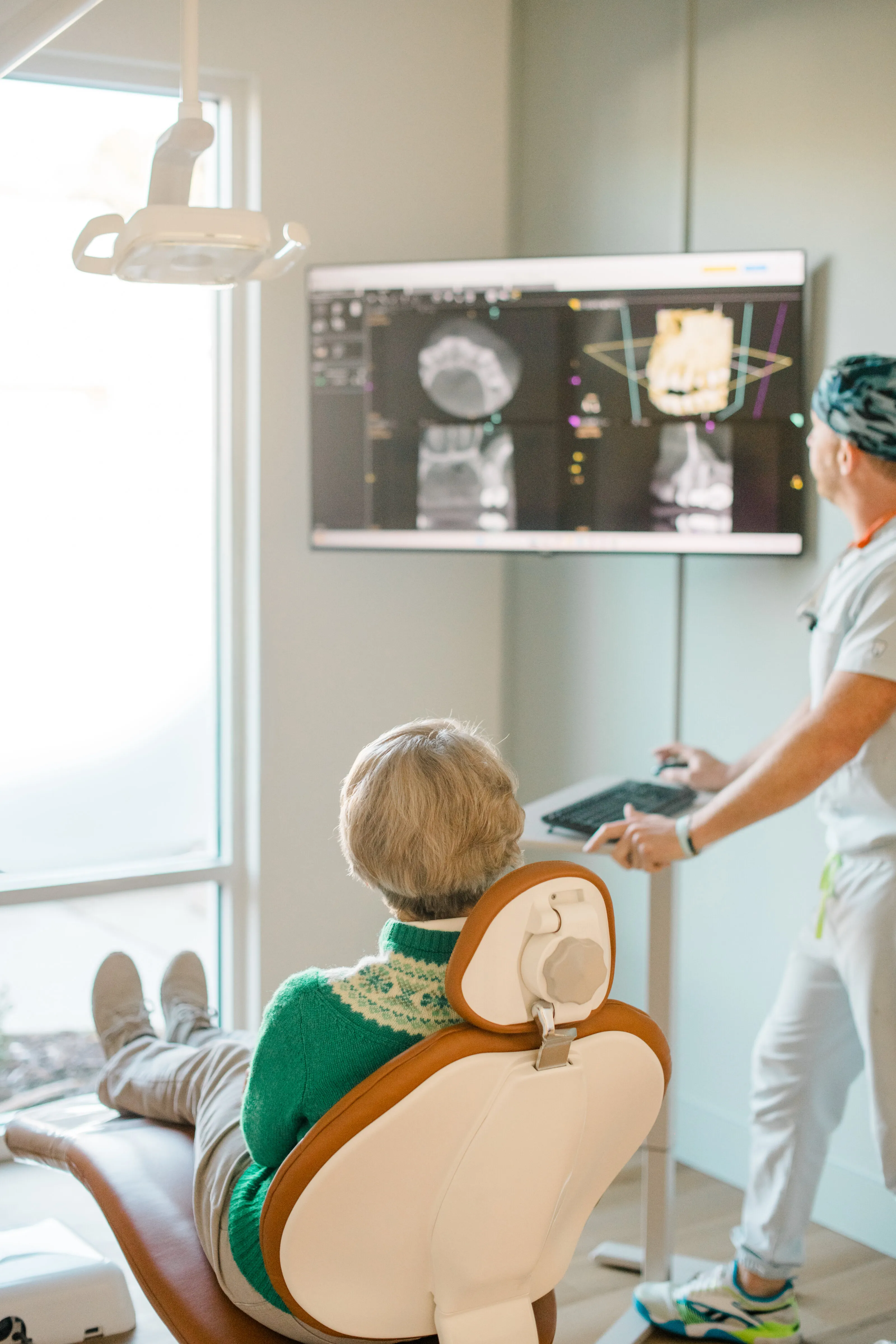
Signs can include pain or tenderness in a tooth that’s already had a root canal, discomfort when biting, swelling in the nearby gums, or a pimple-like bump on the gum. Sometimes there are no symptoms, and the problem is found on a routine X-ray. An exam with digital or 3D imaging helps us see whether the tooth needs retreatment.

Retreatment feels much like the original root canal. We numb the area thoroughly so you’re comfortable throughout the procedure, and we’ll check in with you often. Some tenderness for a few days afterward is normal and is usually managed with over-the-counter pain relievers.

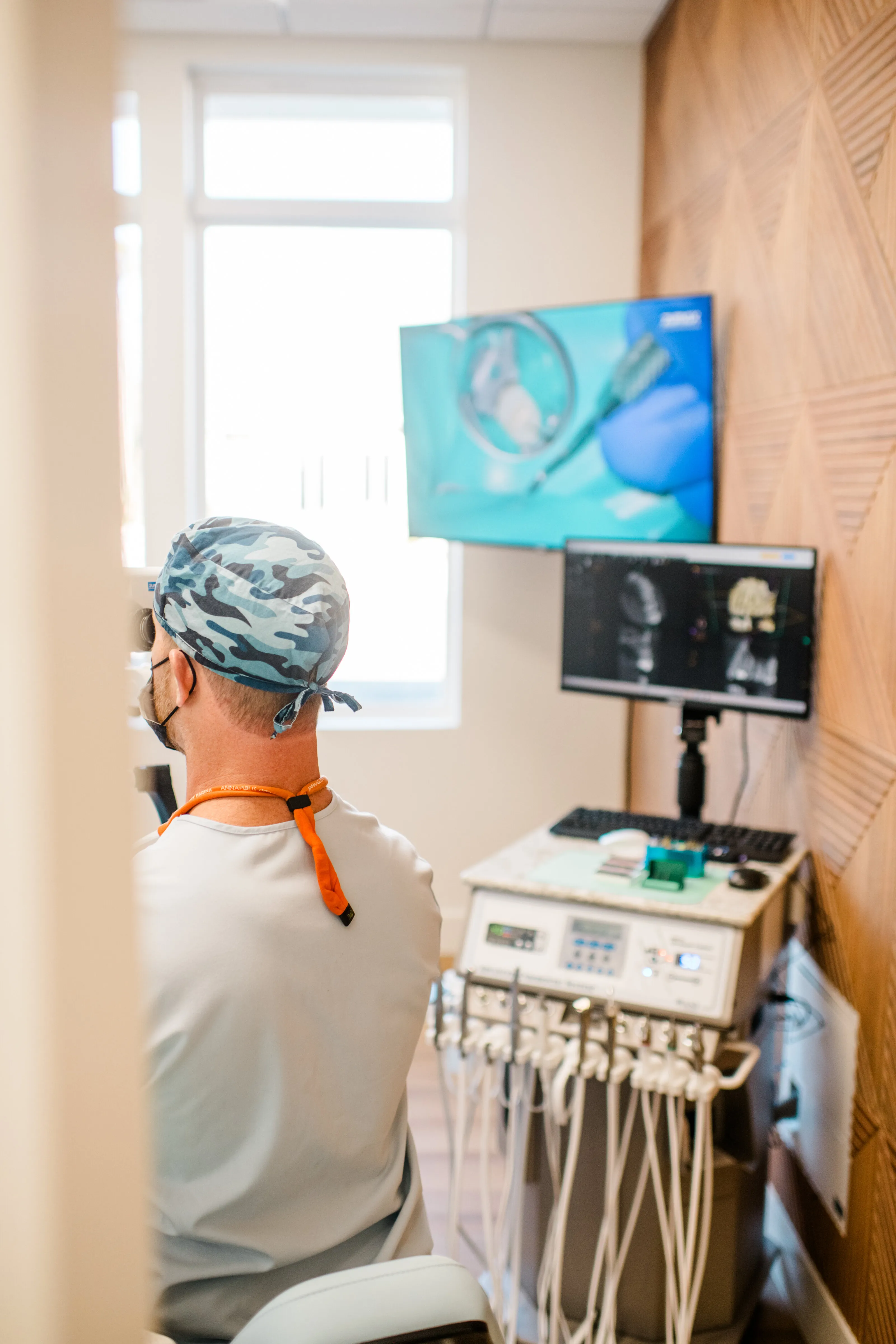
Retreatment is often a successful way to save a tooth that didn’t heal fully after its first root canal. Advanced tools like an operating microscope and 3D cone beam imaging help us find and treat problems that may have been missed before. We’ll review your specific case and the outlook for your tooth during your evaluation.

An infection inside a tooth won’t heal on its own. Without treatment, it can spread to the surrounding bone and gums, cause pain and swelling, and eventually lead to losing the tooth. Treating it early gives you the best chance of keeping your natural tooth.

When a tooth can be saved, keeping your natural tooth is usually the best option. Retreatment preserves your natural bite and avoids the extra time and cost of replacing a tooth with an implant or bridge. If retreatment isn’t the right fit, we’ll walk you through every option so you can decide what’s best for you.

Ready to Schedule?

Same-day emergency appointments are often available. Book online or give us a call and we’ll get you taken care of.

Schedule Your AppointmentCall 910-803-0222

Explore Our Treatments

Every treatment is focused on relieving pain and saving your natural tooth.

Root Canal Therapy

Root Canal Therapy

Learn More
Root Canal Retreatment

Root Canal Retreatment

Learn More
Apicoectomy

Apicoectomy

Learn More